
Rooms with a View: New Monticello boss opens rarely seen rooms
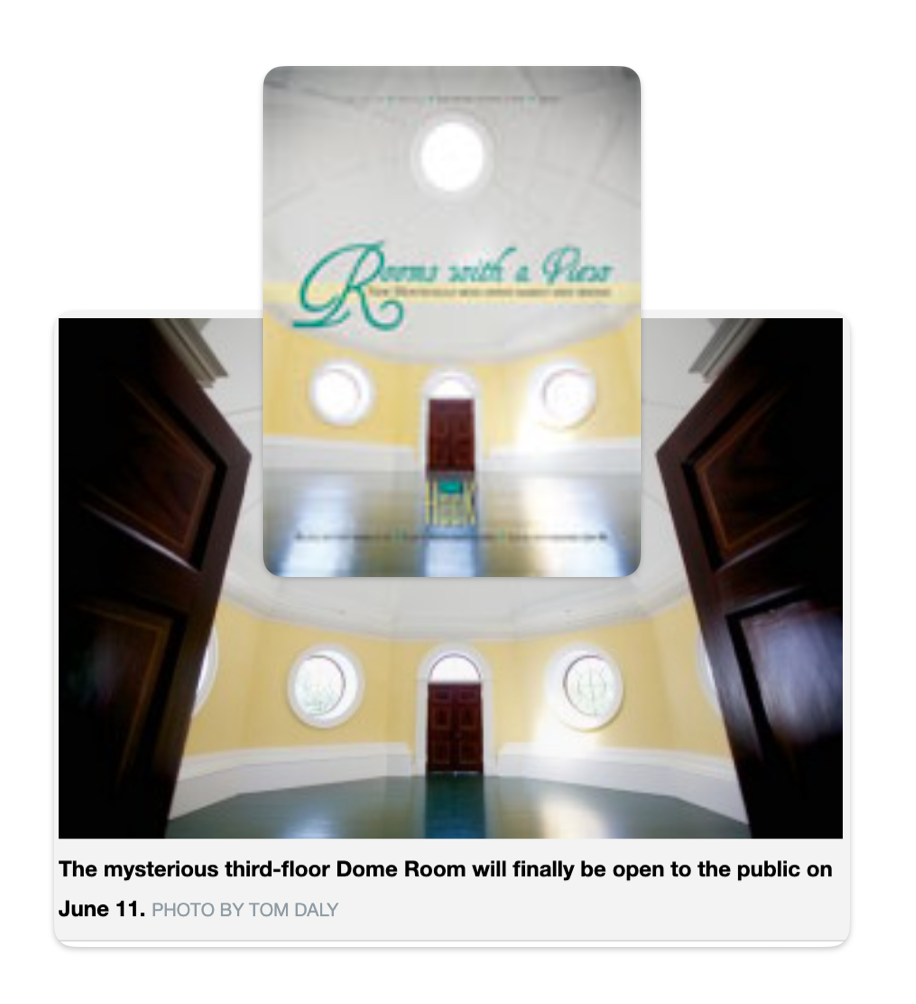
Monticello was designed for the pleasure and architectural curiosity of its owner, but as a new tour and exhibit will show, it was also designed for the enslaved workers who moved about the house relatively unseen, serving food, changing linens, and emptying chamber pots.
On Tuesday, May 25, Monticello boss Leslie Greene Bowman and staff gave the press a sneak peek at rooms that have never been opened to the public. It’s all part of a new “behind the scenes” tour that will launch June 11, accompanied by a new exhibit in the cellar level called “Crossroads,” all to shed light on the intersections between Jefferson, his family and guests, and the enslaved workers.
“We’re trying to make Monticello a more lively and entertaining experience,” says Susan Stein, Monticello's senior curator.
COVER SIDEBAR- Back way to Monticello: Timeless, beautiful, illegal
Back around the turn of the century, I decided to hike to Monticello with my then 10-year-old son. The challenge was to get there and back without retracing our steps. We park in the empty lot of the gothic, non-denominational Woolen Mills Chapel. Consecrated in 1888 and located near the end of Market Street to provide religion for the mill workers, it continues to serve religious and community functions. The Virginia Historical marker lets us know that mills were operating on this site from 1795 to 1964.
4Better Or Worse
Essays
Question of the Week
QUESTION OF THE WEEK- How can we get past this country's oil addiction?
QUESTION OF THE WEEK- What's your favorite part of Monticello?
Real Estate
Real Estate - On the Block
Movie Reviews
On Architecture
80K headache: Broken, dying, and disorderly days for McGuffey Park
McGuffey Park's slide and sandbox area has already deteriorated beyond repair.
The Brazen Careerist
Full Stories List for June 10th, 2010 issue #0923
STRANGEBUTTRUE- Mirror, mirror: Some pigs see through a looking glass
THE SPORTS DOCTOR- No accountability: MLB lets everyone off the hook
4Better Or Worse
News
Hammer time: Kluge auction pulls in $6.4 million first session
Mili-mouthing: Local man fronts Doors legends Manzarek-Krieger
Buzz- Local jazz artist hits the road, just a little bit wiser
Cartoons
Cover Stories
COVER SIDEBAR- Back way to Monticello: Timeless, beautiful, illegal
Rooms with a View: New Monticello boss opens rarely seen rooms
On Architecture
Essays
Green Home
Movie Reviews
Question of the Week
QUESTION OF THE WEEK- How can we get past this country's oil addiction?
QUESTION OF THE WEEK- What's your favorite part of Monticello?
Real Estate
Real Estate - On the Block
The Brazen Careerist
